

Should You Buy a German Shepherd Baby?
German shepherds are smart and confident breed that could make excellent companions. You could expect to pay between $200 to $3000 for a puppy that comes from an established breeder.
While backyard breeders might sell puppies at a lower price however, their puppies are more likely to be afflicted with serious health issues. Backyard breeding often results in hip dysplasia that is inherited and other genetic diseases.
Health
German Shepherd puppies can be very intelligent, but only if they are healthy. To keep their minds and personalities alive, they require regular stimulation and care. A healthy puppy also has a strong desire to learn and is eager to respond to commands from training. This makes them excellent police dogs, service dogs and even therapy dogs.
Responsible breeders monitor their parents for health issues and avoid passing these hereditary diseases on to their puppies. You should inquire with the breeder about the parents' health histories as well as genetic testing prior to buying a German Shepherd puppy. Backyard breeders might advertise their puppies on Craigslist or other classified websites, which is a great opportunity to find a purebred puppy at a lower cost. However the puppies are usually not bred by a healthy mother and may suffer from hip dysplasia, elbow dysplasia, or degenerative myelopathy.
These inherited problems can also cause neurological problems that affect the spine, brain or muscles. For instance, some German Shepherds suffer from exocrine pancreatic dysfunction or from Willebrand disease and heart issues, as well as bloat. Many of these diseases can be prevented through proper diet, exercise, and regular vet checks.
A healthy puppy has a robust immune system and is less likely to suffer from hereditary conditions as they age. They also require regular exercise to stay physically fit and mentally alert.
You can buy a German Shepherd puppy from a reputable breeder or adopt one from a rescue centre. The rescue centres usually have various breeds, including German Shepherds as well as information about the dogs.
Regardless of where you get your German Shepherd puppy, it's recommended to establish pet insurance. While it's a recurring cost but it can provide medical treatment and medications for your dog in the event that an injury or illness happens. This insurance should be taken out as soon as possible, before your puppy becomes injured or sick. This will allow you to choose the best policy for your specific needs. Your German Shepherd puppy should be fed a healthy commercially-available, high-quality dog food every day.
Training
If you are thinking of buying a German shepherd puppy, you must first be aware of your lifestyle and the needs of your family. GSDs are intelligent, active dogs that require lots of exercise and mental stimulation. In addition, they need to be socialized from the beginning of their lives to overcome their fear of strangers. GSDs are also very trained, and they respond well to positive reinforcement. Be prepared to spend a lot of time with your dog. Enroll in professional dog-training classes or hire an experienced trainer in teaching you how to train your dog.
In addition to regular training it is essential to ensure that you are exercising regularly and grooming. The breed sheds a lot and you'll need to vacuum regularly to remove the hair from the floors and furniture. If you have hair that is long German Shepherd, you will also need to brush them frequently (especially the legs and face) to keep their fur tidy and tangle-free. By investing in a quality shedding tool and a good furminator will reduce the amount of hair you need to vacuum.
GSDs are extremely intelligent and extremely active and require constant training to master obedience commands and house manners. They also require to be socialized with strangers in a secure and controlled setting early in life to overcome their instinctive distrust of strangers. GSDs can be a little overwhelming for novice owners and it is recommended to work with an experienced trainer to ensure you are well-trained and prepared to take care of this gorgeous and dependable breed.
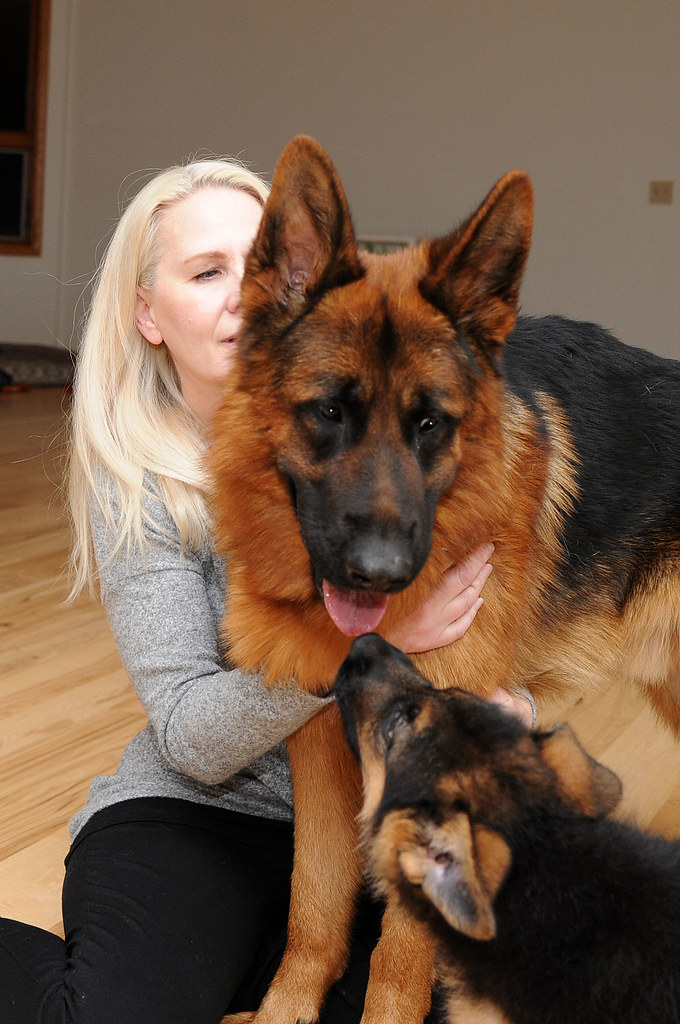
GSDs, a large muscular breed, are at risk of certain health issues, including spinal cord diseases. They can also be affected by genetic eye diseases. To prevent these health problems, you should only buy a German Shepherd puppy from an accredited dog breeder that performs regular health checks and offers vaccinations and medical care. Consider getting a dog health insurance policy, such as the one provided by trupanion. This will allow you to provide emergency veterinary treatment if your pet develops a medical issue.
Exercise
German Shepherds are active dogs and require a lot of exercise during the day. They shed more than other breeds, and require to be brushed and bathed regularly. Their physical size makes them better suited for homes with yards as opposed to condos or apartments. Playing with your German Shepherd on a daily basis and taking him for walks or runs is the best method to keep him in shape. Make sure to exercise him regularly to avoid behavior issues and weight problems.
Like many other dog breeds, German Shepherd puppies are susceptible to certain health conditions. These include hip and knee dysplasias as well as degenerative myelopathy (a condition affecting the hind legs) and exocrine pancreatic insufficiency. It is recommended to select a reputable German Shepherd breeder to protect your dog from these ailments. Breeders who are reputable will conduct various health tests and provide assistance and training for the breed. They may charge more for screening than breeders who do not bother to take the time.
As they get older, German Shepherds could develop other ailments in addition to the genetic conditions. They are susceptible to musculoskeletal problems particularly in the knees and spine. They might also be suffering from anxiety or depression. It is important to seek treatment for these conditions whenever you can.
You can buy a German Shepherd in pet stores or on the internet, however it's best to purchase one from a trusted seller. Reputable breeders concentrate on raising puppies with good temperaments and ethical breeding practices. They also have a pedigree that contains working dogs and competitive dogs. They may charge more than breeders who focus on selling the most aesthetically pleasing puppies.
Care
German Shepherd puppies require a fenced in area where they can play and burn off their energy. This will stop them from barking or chewing things they shouldn't. It is also recommended to invest in obedience training to stop your puppy from becoming a nuisance dog. This will teach your German Shepherd commands like "sit", "down" and "come."
A yard that is fenced in will ensure that your German Shepherd puppy being distracted by pets or other animals of the neighbors. You should also introduce your German Shepherd puppy to any pets in the family as early as possible so that they become familiar with each other before they turn adults. A well-bred German Shepherd will be fine with dogs as well as cats. However, they could pursue them.
A reputable breeder can guarantee that the German Shepherd you purchase is healthy and has passed an extensive examination for common illnesses. It will cost more than buying a German Shepherd from an unreliable source or pet store, but it's worth it in the long run to have a happy and healthy dog.
Puppies require a lot of attention at the beginning of their lives as well as throughout their lives. They will require vaccinations and regular veterinary visits. deutschen schäferhund kaufen Süßer Deutscher Schäferhund grooming appointments (300-400 dollars) and premium food (700-$1200 per year). Additional expenses include high-quality food and toys, collars, and leashes. $500-$800 per year). Dog walking or boarding can add $500-$1000 more to the cost of German Shepherd ownership.
As they grow, they will go through an "gangly" period where their muscles haven't filled out yet, and they appear a bit like a skeletal. This is normal and expected. As with an 18 year old human, they won't appear as full-figured as an adult for an extended period of time.
In the effort to save money, backyard breeders frequently ignore important health screenings. This can lead to many health issues, from hip dysplasia to autoimmune disorders. Only a trustworthy German Shepherd breeder can guarantee that your puppy is not suffering from these diseases. You'll also save money over the long term by not having to pay expensive vet bills or treatment for your German Shepherd later on.